There are moments when the past speaks with particular clarity. Sometimes it speaks through the memory of a tragedy; at other times through the life of a faithful shepherd, the witness of a vocation, or the courage of people who dare to imagine a different future. This September issue of the JHIA Newsletter brings together stories that, although drawn from different times and places, invite us to reflect on what it means to remember faithfully and to live that memory with courage and hope.
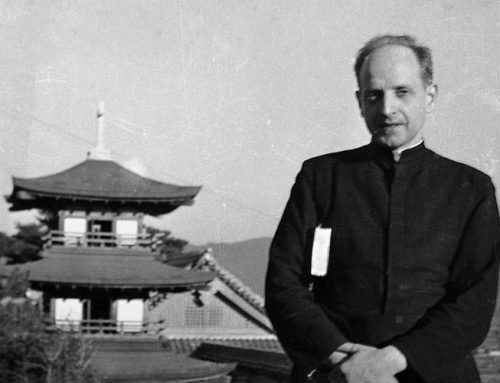
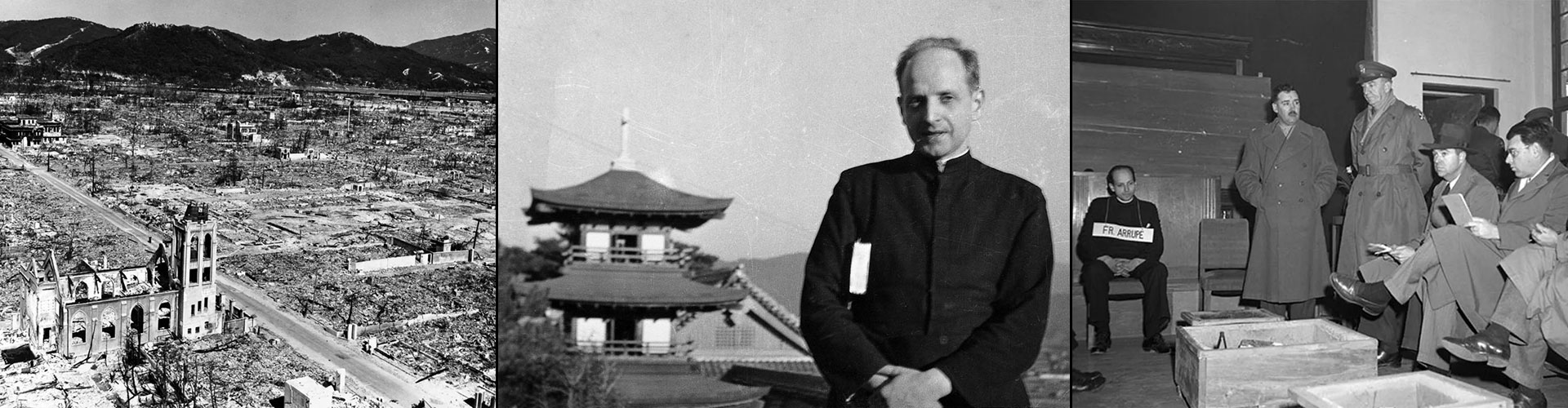
Eighty-one years after the atomic bombing of Hiroshima, we remember the Jesuits who survived the catastrophe and immediately placed themselves at the service of the wounded. Their story is not simply one of survival. At Nagatsuka, a place intended for prayer, study and formation became a field hospital. Fr Pedro Arrupe, SJ, and his companions encountered devastation not by turning away from it, but by moving towards those who were suffering. Their witness reminds us that memory is not passive. To remember is also to ask what our faith demands of us when others are wounded.
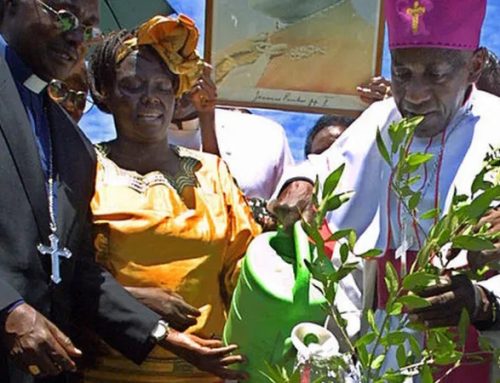
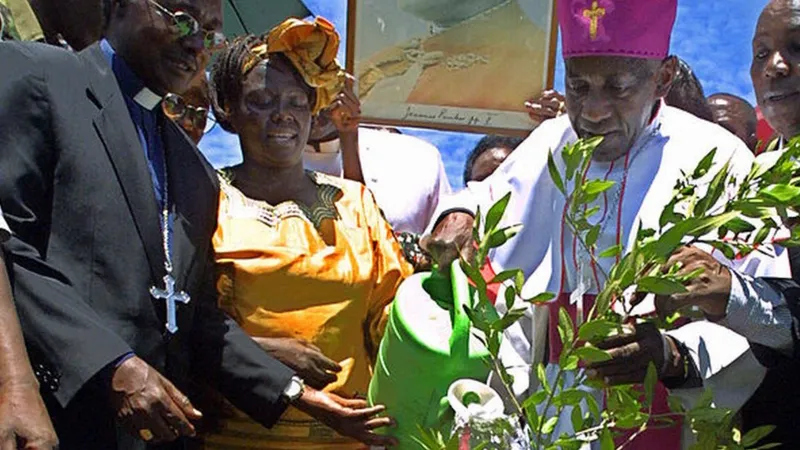
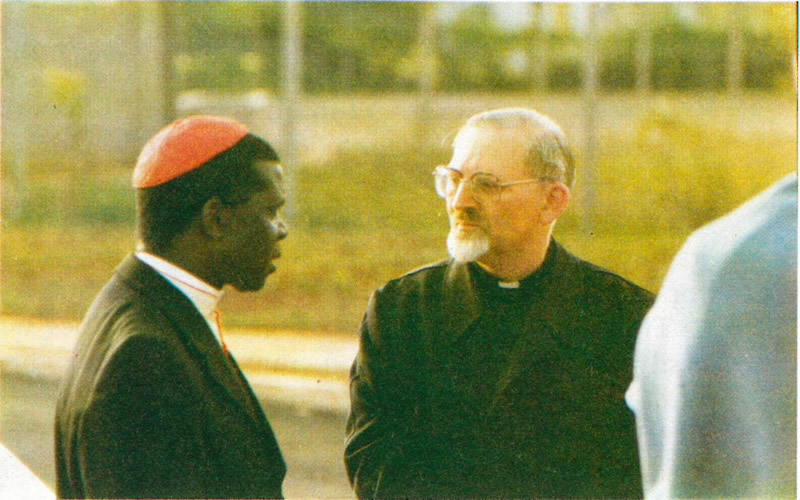
The life of Archbishop Raphael S. Ndingi Mwana a’Nzeki offers another powerful testimony of such courageous fidelity. As a priest and bishop, and later as Archbishop of Nairobi, he walked with a people experiencing some of the most difficult chapters of Kenya’s history. He spoke when silence would have been easier and defended human dignity when doing so carried a personal cost. His words remain a fitting summary of a life dedicated to faithful service: “We are not called to be popular; we are called to be faithful.”
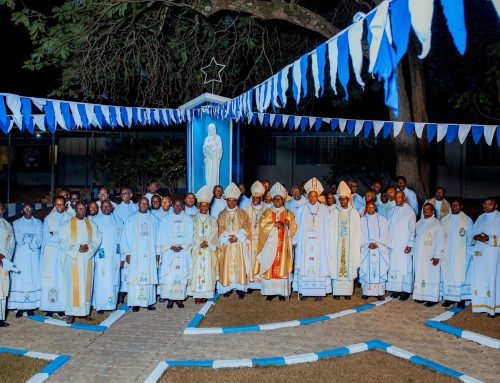
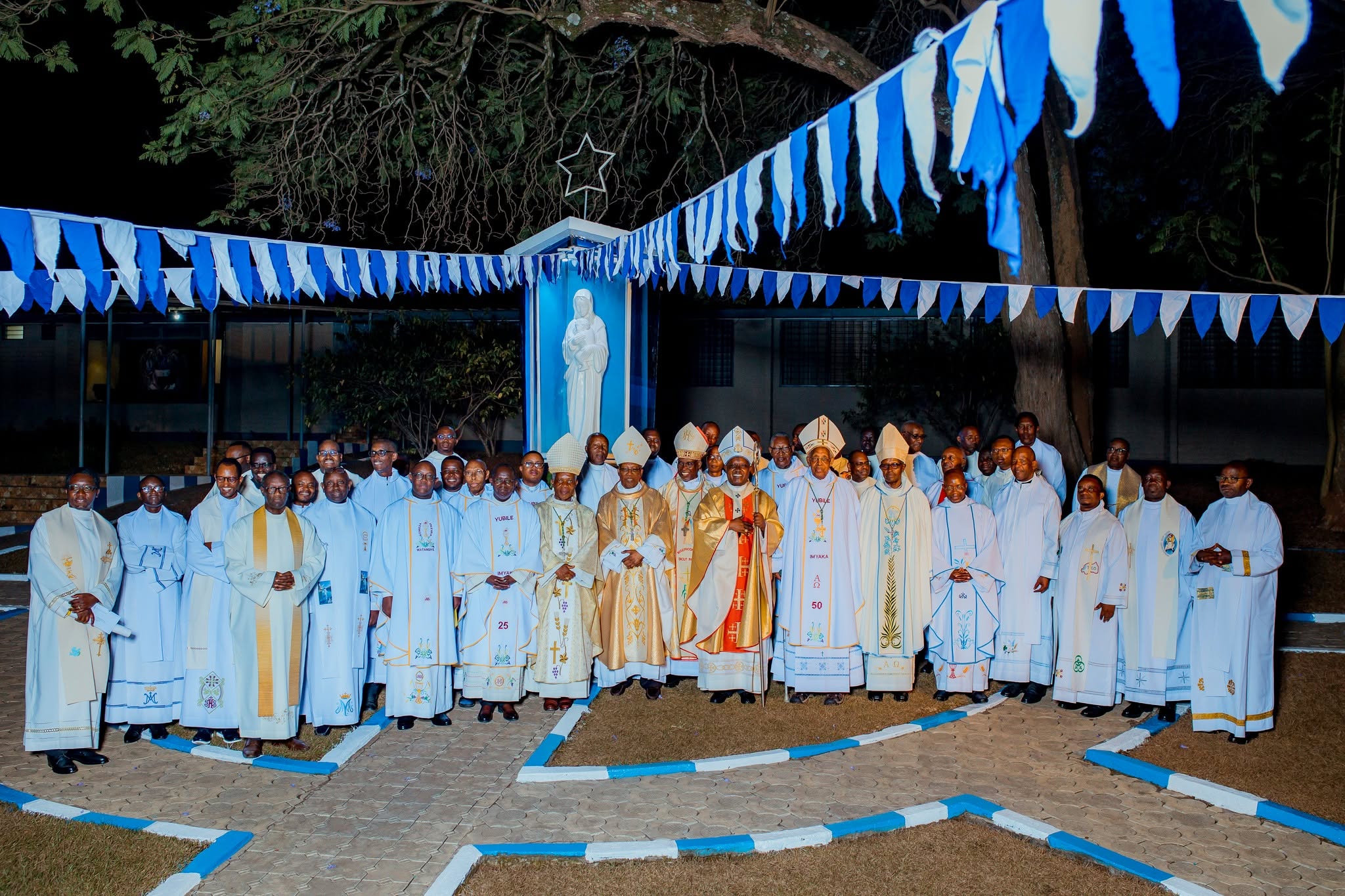
This issue also celebrates the grace of vocation. In Rwanda, Fr Marcel Uwineza, SJ, marked twenty-five years in the Society of Jesus in a Jubilee filled with gratitude, friendship, memory and hope. His reflection on wounds, accompaniment and God’s faithfulness reminds us that a vocation is never simply an individual journey. It is shaped by families, communities, companions, teachers, friends and countless people whose presence helps another person continue to say yes to God’s call. His prayer, “Lord, I still hear you… Send me again,” expresses beautifully the spirit of a Jubilee—not an ending, but a renewed availability for mission.
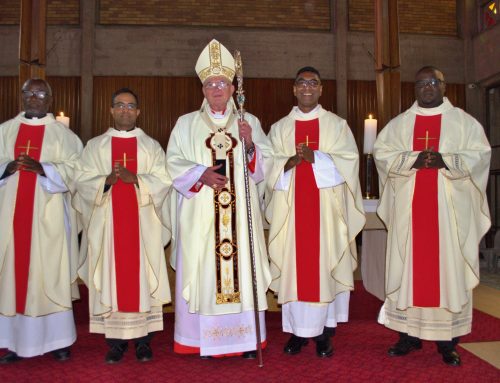
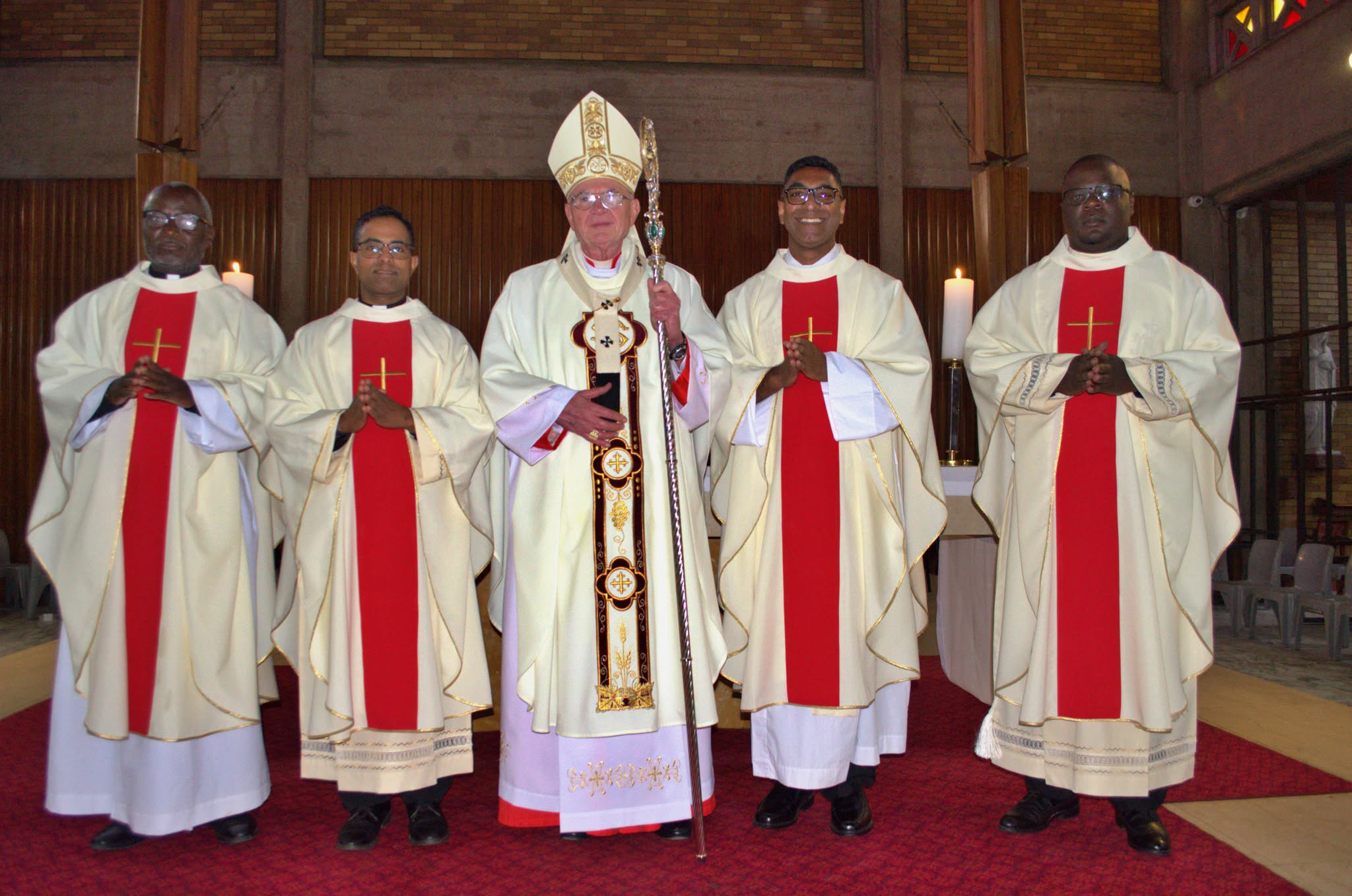
The ordination of four new Jesuit priests from Southern Africa Province gives us further reason for thanksgiving. Their vocations are a sign of the continuing vitality and diversity of the Society of Jesus and the Church in Africa. As they begin their priestly ministry, they join generations of Jesuits who have sought to serve Christ and God’s people wherever the mission calls.
The theme of vocation and service finds a different expression in the reflections emerging from Hekima University College. At the opening of HUC@43, Prof. Emmanuel Katongole challenged the Hekima community to move beyond “quick fixes” and to see the College as a “construction site” for a new Africa. His call to “dare to reinvent the future” resonates deeply with the wider mission of Jesuit education: not simply to explain the world, but to participate in transforming it.
Similarly, JCAM President Fr José Minaku, SJ, invited the HUC community to “look in another direction.” Reflecting on the disciples who had worked all night and caught nothing, he reminded us that sometimes the boat, the lake and the circumstances remain the same, but a change in perspective can open a new possibility. Education, like faith, calls us to see beyond what is immediately before us.
These reflections speak to the mission of the Jesuit Historical Institute in Africa. Our work is fundamentally about memory, but memory is never merely about preserving the past. We preserve records, documents, stories and testimonies because they help communities understand where they have come from, discern where they are going and recognize the people whose lives have shaped the Church and society.
The past can become a burden when it is forgotten, distorted or used to divide. But when it is remembered truthfully, it can become a source of wisdom, reconciliation and hope.
This is perhaps the common invitation running through the stories in this issue: remember, listen, and build. Remember those who suffered and those who served. Listen to the voices of those whose lives continue to teach us. And build—through scholarship, vocation, education, service and faith—the future we hope to see.
As we move into another month, may these stories encourage us not simply to look back, but to look again, to listen more deeply and to respond more generously to the needs of our time.
May the memories we preserve become seeds of wisdom, and may the witness of those who have gone before us continue to inspire a Church and a continent marked by faith, justice, reconciliation and hope.
The Editorial Team | JHIA