As we enter the month of June, this edition of the JHIA Newsletter invites us to reflect on the many ways in which communities are sustained: through memory, service, dialogue, and faithful stewardship of the stories entrusted to us.
This issue arrives in the wake of Eid al-Adha, the Feast of Sacrifice, one of the most significant celebrations in the Islamic calendar. Observed by millions of Muslims worldwide, the feast commemorates faith, obedience, generosity, and care for those in need. These values resonate deeply with our shared human and religious aspirations. They also remind us that authentic dialogue between faith communities is not merely an intellectual exercise but is expressed most meaningfully through solidarity, mutual respect, and acts of service.
In this spirit, Jeff’s article, When Dialogue Becomes Action, reflects on a practical example of interfaith collaboration through the partnership between the OMERIYE Foundation and the Centre for Interfaith Studies in Africa (CISA). The initiative demonstrates how relationships built through dialogue can become tangible expressions of care for vulnerable families and communities. It serves as a timely reminder that peace is often nurtured through small but meaningful acts of generosity.
This edition also highlights the importance of preserving memory and understanding our past. In Is Visiting the Archives Like Visiting the Library?, Philip invites us into the world of archives, demonstrating how archival collections differ from libraries and why they remain essential for scholarship, institutional memory, and the preservation of our shared heritage. His reflection speaks directly to the mission of the Jesuit Historical Institute in Africa: safeguarding records not merely as documents of the past, but as living sources of knowledge, identity, and inspiration for future generations.
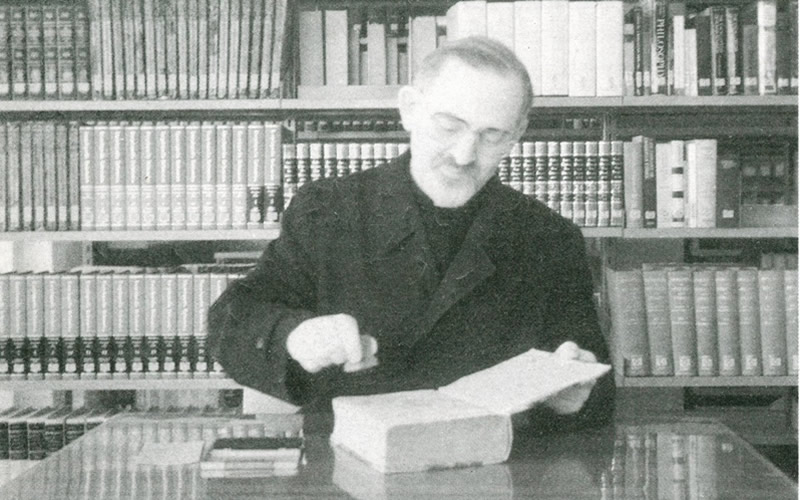
The work of preserving memory naturally leads us to remember those whose lives have shaped our institutions and communities. This month, we pay tribute to Rev. Fr. Anthony Francis D’Souza, SJ, whose passing in May marks the end of a remarkable life of Jesuit service. Through decades of pastoral ministry, spiritual accompaniment, and faithful witness, Fr. D’Souza helped countless people encounter God in the ordinary moments of life. His quiet dedication, humility, and generosity remain a lasting example of Ignatian service and commitment to God’s people.
We also take this opportunity to express our gratitude to His Excellency Archbishop Hubertus Matheus Maria van Megen as he concludes his mission as Apostolic Nuncio to Kenya and begins a new chapter of service in Germany. His years of pastoral leadership, scholarship, and engagement with the Church in Kenya have left a lasting impact on many institutions, including Hekima University College. We accompany him with our prayers and best wishes as he undertakes this new mission.
Finally, we congratulate the Hekima University College (HUC) following the recent ODeL inspection conducted by the Commission for University Education (CUE). The successful completion of this important exercise reflects the dedication, professionalism, and collaborative spirit of HUC. As we await the comprehensive report, we join in giving thanks to all who contributed their time, expertise, and commitment to this endeavour.
We also celebrate an important scholarly milestone within the Hekima community with the publication of Hekima Review No. 72, titled Integral Ecology and Sustainable Development: A Unified Vision. The issue contributes to ongoing conversations on environmental responsibility, human flourishing, and sustainable development—themes that continue to shape both local and global discourse.
As custodians of history, formators, researchers, and people of faith, we are continually reminded that memory is not simply about preserving the past. It is about learning from it, drawing wisdom from it, and allowing it to guide our service to others.
AMDG
The JHIA Editorial Team