The work of history, particularly within the life of the Church, is never simply about preserving the past. It is about listening, attentively, patiently, and often humbly, to the voices through which the past continues to speak into the present. In this sense, history becomes an act of discernment.
This issue of the JHIA Newsletter brings into conversation distinct yet deeply connected ways of engaging history: personal narrative, lived ecclesial experience, and critical study. Each, in its own way, invites us not only to understand what has been, but to reflect on what is unfolding in our midst.
At the heart of this issue is the voice of Fr. William B. Considine, SMM, whose life story offers a window into the lived experience of the Church in a time of profound transformation. His journey, from a modest upbringing in New York to leadership within a global missionary congregation, reminds us that vocation is often shaped not by dramatic moments, but by a steady openness to God’s call as it emerges through changing circumstances. In listening to such a life, we are invited to recognize history not as abstraction, but as lived faith, embodied over time.
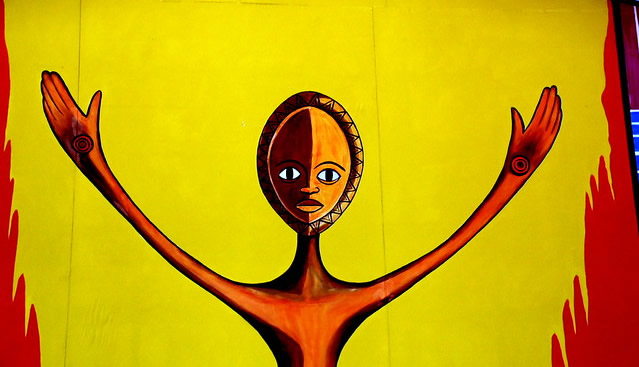
This attentiveness to lived experience is echoed in the account of the West African Catholic community in Nairobi, which gathered in celebration of the final vows of Fr. Norbert Litoing, SJ. Rooted in a spirit of faith and gratitude, the celebration reflects the richness of intercultural belonging within the Church and highlights how vocation is always lived within community. Such moments, though contemporary, are themselves part of the living history of the Church; where identity, mission, and culture meet in prayer and celebration.
At the same time, the work of preserving memory is itself undergoing transformation. This issue includes a timely reflection on the use of artificial intelligence in archival management at the Jesuit Historical Institute in Africa. By exploring how AI can enhance access to records through cultural and indigenous intelligence, the article points toward new possibilities for safeguarding and interpreting historical materials. It challenges us to think critically and creatively about how technology can serve not only efficiency, but also justice, inclusivity, and the integrity of memory.
This attentiveness to lived reality was also evident in a significant moment in the life of Hekima University College. The recent Closing Day marked not only the commencement of the academic year, but also a moment of institutional reflection and renewed vision. As the College continues its journey toward a full university charter, it does so with an increasing awareness of the structures and standards required by the Commission for University Education (CUE), even as it remains rooted in its Jesuit identity and mission.
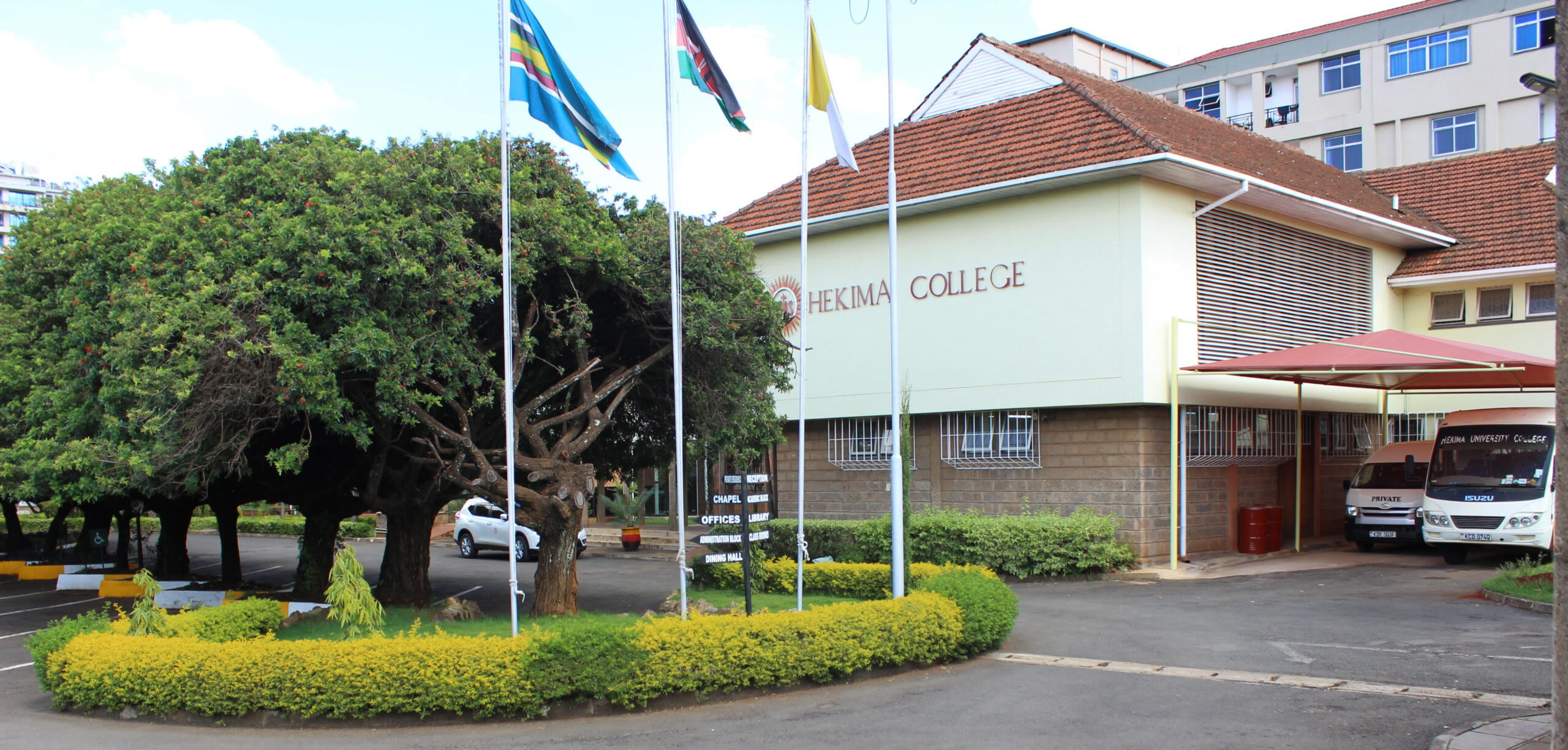
Among the key developments highlighted during the occasion were the introduction of four new academic programmes, set to begin this August 2026: The Master of Theology, the Master of Spirituality, the Bachelor of Arts in Migration, Security and Diplomacy (MSD), and the Bachelor of Science in Business Innovation and Social Entrepreneurship (BISE). These additions signal both growth and responsiveness to contemporary academic and societal needs. Further milestones included the expansion of Open, Distance and e-Learning (ODeL) initiatives, the establishment of a new studio to support this mode of delivery, and the acquisition of the Fadhili Centre, each reflecting a commitment to accessibility, innovation, and institutional development.
The celebration also honoured academic excellence, with outstanding students recognized for their achievements. The award of Valedictorian, the Council’s prize for the overall best-performing student, stood as a reminder that intellectual formation remains at the heart of the institution’s mission. The day concluded with the celebration of the Eucharist, presided over by Bishop Rodrigo Mejía, grounding these academic achievements.
Alongside these narratives of growth and continuity, this issue also turns a critical eye inward through a study on burnout during Jesuit regency in the African Assistancy. If the interviews invite us to listen to the past, this research challenges us to attend to the present. Its findings raise important questions about formation, accompaniment, and the structures that sustain, or strain, those preparing for mission. In doing so, it calls us to a deeper level of institutional self-awareness, one that is essential if the vitality of the Church in Africa is to be matched by equally robust structures of care and formation.
Taken together, these contributions highlight a central insight: that the life of the Church is carried not only in its institutions and documents, but in the lived experiences of its members. To listen to these experiences, whether in the reflective voice of a missionary, the observations of a student, or the data of a research study; is to engage in a form of historical and spiritual attentiveness.
By the Editorial Team – JHIA