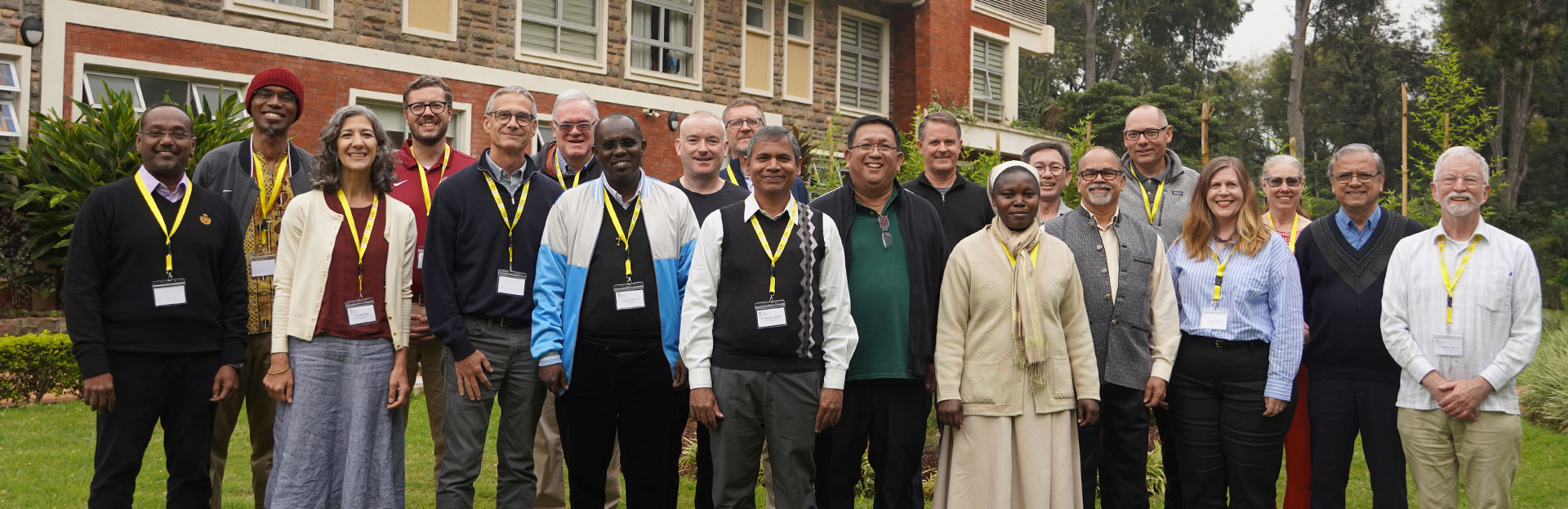
The successful conclusion of the inaugural Collaborative Theology Initiative (CTI) Summer Course at Hekima University College marks an important milestone in international Jesuit theological education and collaboration. Held from 13 June to 11 July 2026, the four-week programme brought together students from Jesuit theology centres across the world for an intensive academic and spiritual exploration of the history, spirituality, and charism of the first companions of St. Ignatius of Loyola.
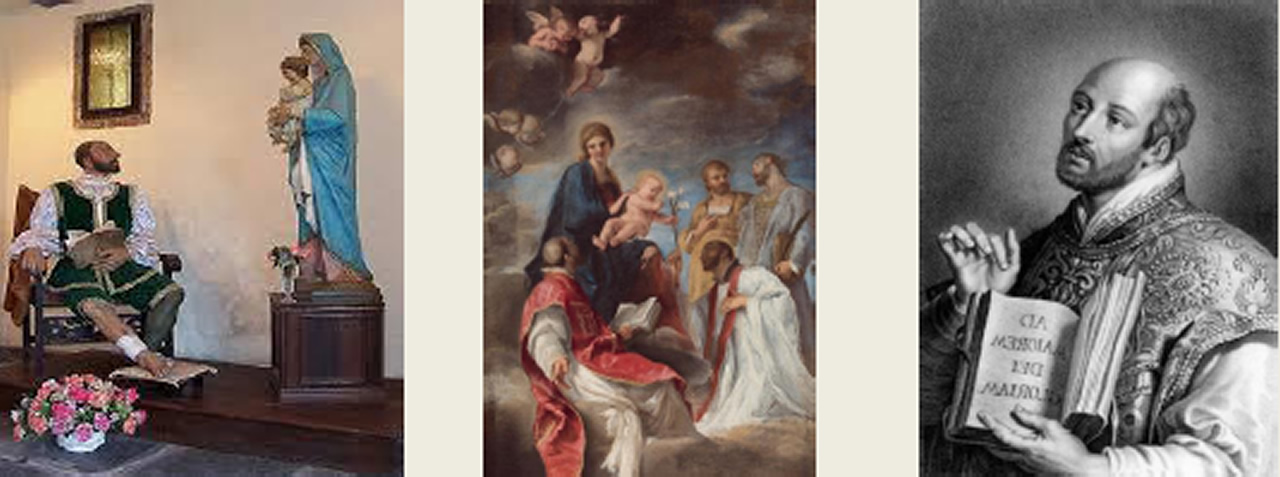
Hosted by Hekima University College in Nairobi, the pilot programme, titled History and Charisms of the First Jesuits: Discovering Our Friends and Our Friendship in the Lord, sought to immerse participants in the foundational texts of the Society of Jesus while fostering intercultural dialogue, shared learning, and deeper theological reflection. Students engaged with the Spiritual Exercises, Ignatius’ Spiritual Diary, selected letters, and writings of early Jesuits such as Peter Faber and Simon Rodrigues, exploring themes of friendship, mission, discernment, and hope that continue to shape Jesuit life and ministry today.
The course was facilitated by Fr. Christopher Staab, SJ, of the Jesuit School of Theology at Santa Clara University, together with Fr. Emmanuel Foro, SJ, Rector of Hekima University College Jesuit Community, and Fr. Somy Mathew, SJ, Delegate for Formation of the Jesuit Conference of South Asia. Beyond classroom learning, participants benefited from guest lectures, local visits, and opportunities to encounter Kenya’s rich cultural and ecclesial heritage, making the programme an integrated experience of academic excellence, spiritual formation, and intercultural exchange.
The CTI Summer Course is part of the broader vision of the Collaborative Theology Initiative, a global network of Jesuit theology centres inspired by Pope Francis’ call for a theology that is synodal, contextual, intercultural, and responsive to the realities of today’s world. Through academic collaboration and shared formation, CTI seeks to strengthen relationships among Jesuit institutions while preparing students to serve the universal Church with intellectual depth, pastoral sensitivity, and apostolic availability.
Writing to Jesuit Conference Presidents, Deans, and theological centres ahead of the programme, Fr. Agbonkhianmeghe Orobator, SJ, Dean of the Jesuit School of Theology at Santa Clara University and Chair of the CTI Coordinating Committee, described the course as an opportunity for students from across the globe to study together, reflect on the foundational documents of the Society of Jesus, and discover anew what it means to be “friends in the Lord.” He expressed the hope that this international experience would foster greater apostolic creativity, servant leadership, and collaboration in service of the Church’s mission.
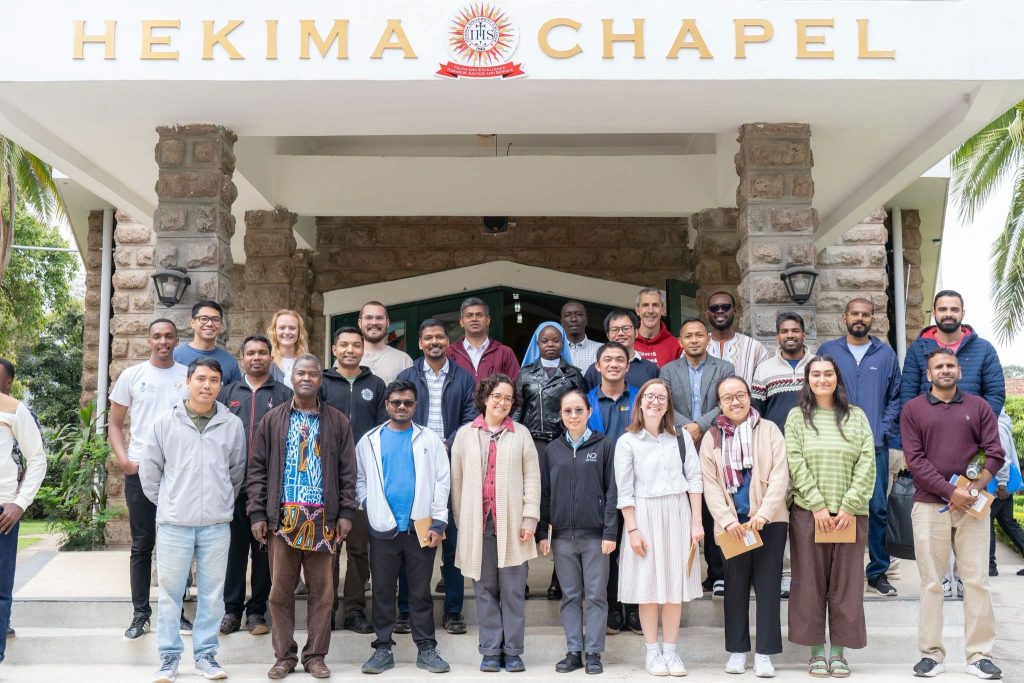
For Hekima University College, hosting the inaugural cohort reaffirmed its longstanding commitment to theological education rooted in the African context while remaining deeply connected to the global mission of the Society of Jesus. Bringing together students from different countries, cultures, and theological traditions created a unique environment in which learning extended beyond the classroom into daily community life, dialogue, prayer, and shared discernment.
The programme also reflected the importance of collaboration among Jesuit institutions. As part of this partnership, the Jesuit Historical Institute in Africa (JHIA) supported the course by making available important scholarly resources and historical works from its collections, including materials that enriched the study of the origins and spirituality of the Society of Jesus. During the programme, members of the teaching team visited JHIA to consult archival resources and publications relevant to the course, further strengthening the collaboration between the institutions. This partnership illustrates how historical scholarship and archival resources continue to serve contemporary theological formation and the intellectual mission of the Society.
The successful completion of the CTI Summer Course represents more than the conclusion of an academic programme. It demonstrates the growing commitment of Jesuit institutions worldwide to form theologians capable of engaging the complexities of today’s Church and society through collaboration, intercultural dialogue, and the rich spiritual heritage of the Ignatian tradition.
Building on the success of the Hekima programme, CTI has continued to expand its collaborative model of formation through subsequent international initiatives. The next programme, held in the Manila, Philippines, further strengthened the network of Jesuit theology centres by bringing together faculty and students for continued reflection, dialogue, and formation in the Ignatian tradition, underscoring CTI’s commitment to forming leaders for the universal Church through global collaboration.
By bringing together lay women and men, religious, and Jesuit students from diverse cultures and contexts, CTI fosters intellectual excellence, spiritual formation, intercultural dialogue, and servant leadership in service of the universal Church.
The JHIA Editorial Team