
In the heart of Kibera, Nairobi’s largest informal settlement stands a vibrant faith community that embodies the intersection of African cultural identity and Christian spirituality: the Legio Maria African Church Mission. In a an interview conducted by Brother Kelvin Ong’ayo Ouma, AA, a theology student at Hekima University College (HUC), reflecting on an assignment from Fr. Jean-Luc Enyegue, Church History lecturer, during his first year at HUC, we gained a deeper understanding of this indigenous African Church’s origins, theology, structure, and enduring relevance.
Founded in 1963 at Got Kwer in Siaya County, the Legio Maria Church emerged as a response to both spiritual dissatisfaction and a desire to integrate African cultural expressions into Christian worship. Its founder, Baba Simeo Melkio Ondetto, a former Catholic catechist who is revered within the Church as a spiritual guide and is often referred to as Baba Messiah. According to members, his vision was inspired directly by the Holy Spirit, and his ministry was marked by healing and charismatic leadership, drawing large numbers to the fledgling community.

The term Legio is derived from the concept of a battalion “battalions of Mary” reflecting the Church’s deep Marian devotion. “We are an army of Mary,” explained Lawrence Joseph Otieno Opondo, a Nairobi-based acolyte and student. Their Mary is indeed the mother of Jesus Christ, whom they view as both an intercessor and a symbol of divine motherhood in the African Church.
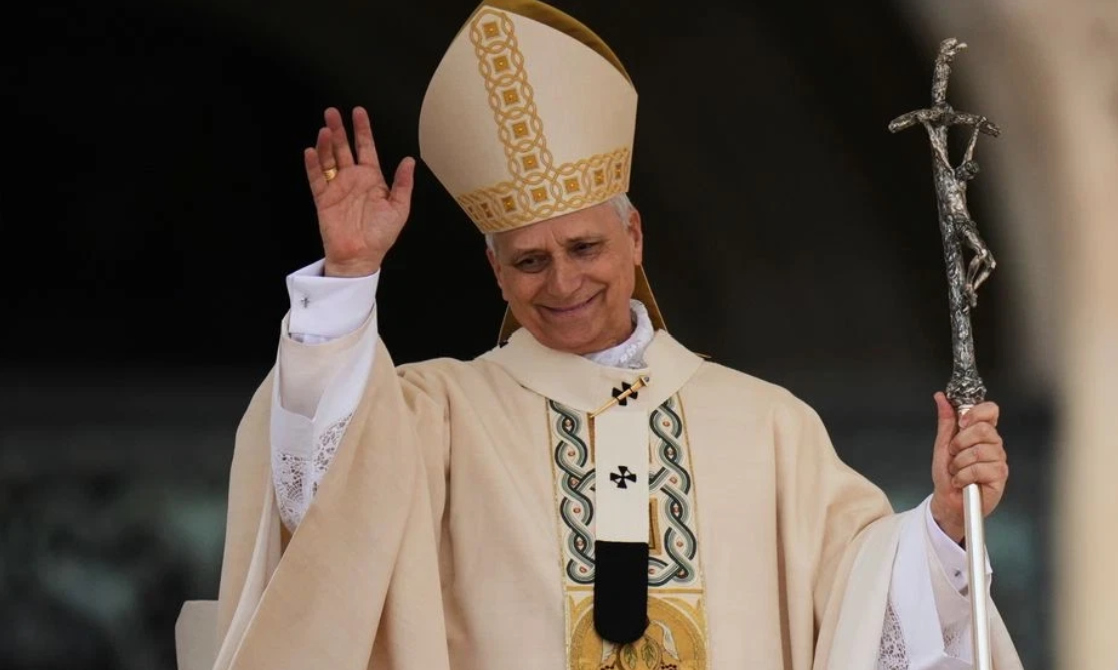
Legio Maria retains much of the Catholic liturgical heritage, including the use of Latin in prayers, a Vatican I-influenced liturgical calendar, and the celebration of obligatory feasts and memorials. However, its leadership structure is distinct, led by a Pope (currently Rafael Blessiah Adika), supported by cardinals, bishops, priests, and deacons. Below them are acolytes (mtotomisa), who are specially tonsured for altar service.
Notably, ordination and leadership roles in Legio Maria are not determined by formal education, but by spiritual discernment believed to come directly from Baba Ondetto. “Education is not a requirement,” said Opondo. “The first Pope was a Standard Seven dropout. What matters is the voice of the Spirit.”
The expansion of Legio Maria into Nairobi in the 1970s was not, according to adherents, a strategic decision but rather the result of divine inspiration. “We don’t plan; we are led by the Spirit,” Opondo affirmed. Most Legio Maria churches, including the Kibera mission, are established based on what members describe as supernatural guidance.
The Church emphasizes ritual purity and sacred discipline, especially around the altar. Women are restricted from altar service, with the exception of “ordained mothers” who clean vestments and altar linens. Women in their menstrual periods are not permitted to enter the church compound, a rule rooted in the Church’s understanding of Levitical purity laws.
Shoes are removed upon entering the church grounds, seen as holy ground, referencing the call of Moses in the Old Testament. Certain foods, such as omena (silver fish) and pumpkin leaves, are prohibited for members.
Unlike the Roman Catholic tradition of clerical celibacy, Legio Maria allows priests to marry, but only one wife. The Church oversees the dowry process, ensuring it is conducted respectfully and within a religious framework. Marital life is seen as part of a priest’s vocation, not separate from it.
It is important not to confuse Legio Maria with the Legion of Mary, a lay Catholic organization founded in Ireland in 1921 by Frank Duff.
The Legion of Mary is dedicated to serving the Church and their neighbors through prayer and apostolic work. It is officially recognized by the Catholic Church and operates under the guidance of Church leaders.
In essence, Legio Maria is a separate religious entity that originated from a specific context within the Catholic Church, while the Legion of Mary remains a Catholic lay organization operating within the Church.
The Editorial Team – JHIA Newsletter