There is a quiet truth that has followed me from the earliest days of my life: we often become what we constantly see. My vocational journey did not begin at a particular dramatic moment; it began in the ordinary rhythms of childhood. Looking back, I realise that what I once thought were coincidences were, in fact, gentle movements of grace; persistent, patient, and impossible to ignore. In many ways, my life has been a long attempt at resisting what I eventually discovered I could not escape.
I was born and raised in a Catholic family. The faith was not simply taught; it was lived. The parish was not a distant institution but an extension of home. Around the age of twelve, I had the singular privilege of living at the Parish House. That experience marked me in ways I could not fully understand at the time. Serving Mass daily became my routine. Accompanying priests to outstations for the celebration of the Eucharist opened my young eyes to the beauty and demands of pastoral life. The altar, the sacristy, the dusty roads to distant communities, these were not occasional experiences; they formed the texture of my adolescence.
My first attraction to the priesthood came through the life of the first priest I lived with, a diocesan. His dedication, simplicity, and closeness to the people stirred something deep within me. I saw in him a life poured out in service, and without consciously deciding, I began to imagine myself in similar ways. The idea of priesthood slowly moved from admiration to desire. Yet, as with many youthful stirrings, it remained a quiet undercurrent rather than an immediate decision.
It was during my studies at the University of Cape Coast that the undercurrent became a tide. At the Our Lady Seat of Wisdom University Chaplaincy, I encountered the Jesuits more closely. The assistant chaplain at the time was Fr Raymond Tangonyire, SJ. He took a particular interest in me, inviting me frequently to the Jesuit community for lunch. Those simple invitations became moments of profound vocational significance.
Through Fr Raymond, I grew closer to Fr Donald Hinfey, SJ, of blessed memory. I often invited him to teach Church doctrine to students at the chaplaincy, and through these collaborations, I observed not only his intellectual depth but also his gentle spirit. When Fr Raymond left for further studies, the late Fr Isidore Bonabom, SJ, arrived, and the rhythm continued, that is, visits to the community, shared meals, conversations, occasional retreats.
What attracted me most was not their learning, impressive as it was. It was their humility.
After meals, Fr Donald would quietly take his place at the sink and begin washing the dishes. Fr Isidore would pick up a rag and wipe the table. I would join them, drying plates and putting things away. These were men of remarkable education and pastoral responsibility, yet they washed plates with joy and simplicity. There was no performance, no self-conscious humility; just a natural expression of who they were.
Something in me was deeply moved. I had seen priests before. I had admired dedication before. But here I saw nobility clothed in ordinary service. Their way of proceeding, their fraternity, their discipline, their prayerfulness, their simplicity, began to draw me. Gradually, the desire formed not just to be a priest, but to be one of them.
The journey to the Novitiate was neither rushed nor automatic. It involved long discernment, honest conversations, and patient accompaniment. By then, I was working at the University Chaplaincy. The decision to enter meant leaving behind familiarity and stepping into the unknown. Yet when the admission finally came, it felt less like an achievement and more like surrender.
My experience in the Novitiate can only be described in the words of the prophet Jeremiah: “You have enticed me, Lord, and I let myself be enticed.” I felt drawn by a love stronger than my fears. The Long Retreat was a defining moment. In that prolonged silence and prayer, I encountered an interior freedom that I had never known before. There was a profound and sustained joy; a quiet, steady flame, that became my source of strength.
I learned the way of the Society of Jesus: discernment, obedience, mission, and availability. St Ignatius Loyola became a concrete model of conversion and radical generosity. His invitation to seek and find God in all things reshaped my interior landscape. Yet, my personal maxim in the Novitiate came from St Aloysius Gonzaga: “I am a piece of crooked iron; I joined religion to make the crooked straight.” That image stayed with me. It was honest, humble, and hopeful. It reminded me that vocation is not about perfection but transformation. I entered not because I was finished, but because I was willing to be shaped.
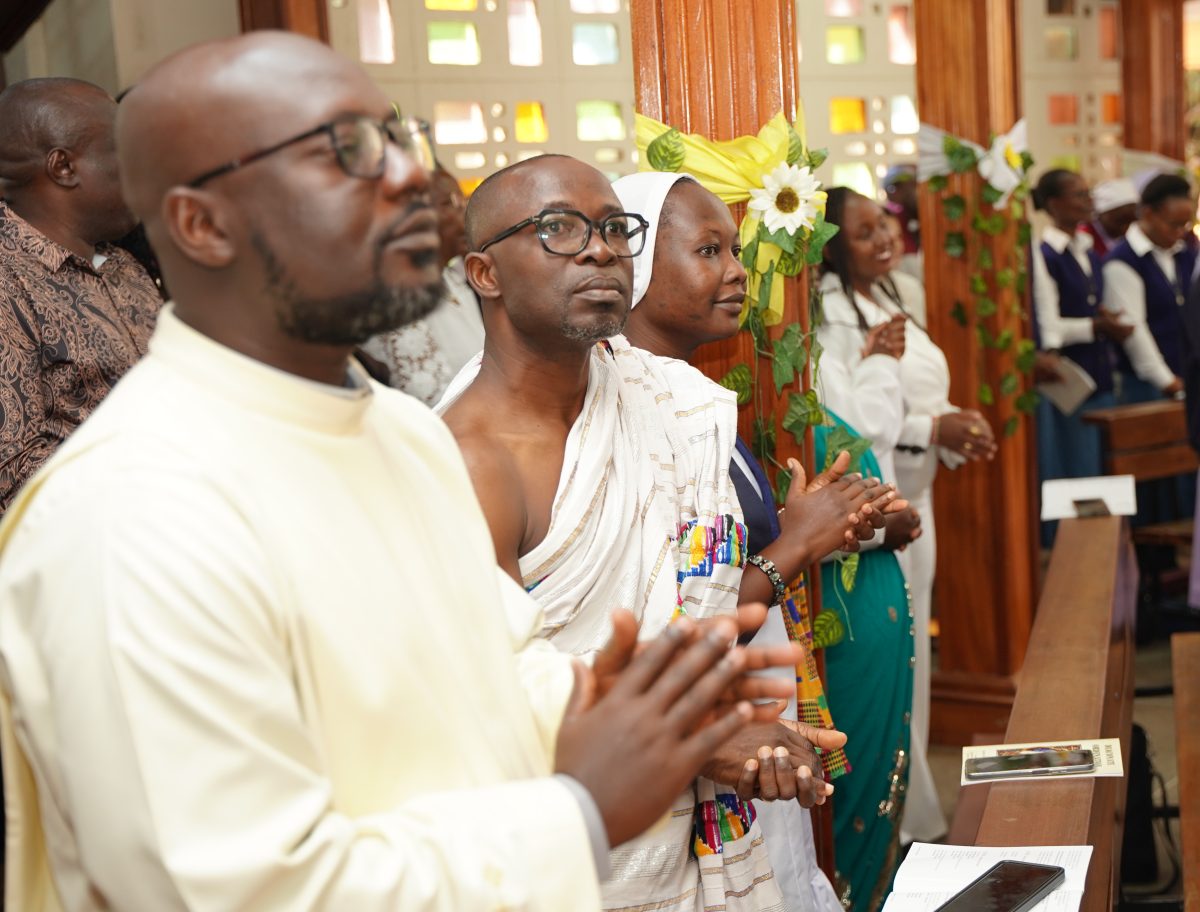
My years of formation have been marked by personal accompaniment, freedom, and responsibility. One of the gifts I cherish most within the Society is the space to grow, an environment that respects personal conscience while rooting one in a shared Ignatian identity. I have been entrusted with responsibilities that at times felt beyond me. Yet, each assignment came with trust, the quiet confidence of my superiors that I was capable. That trust became a mirror through which I learned to see myself more truthfully.
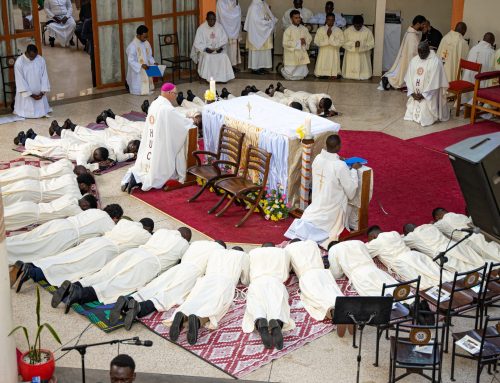
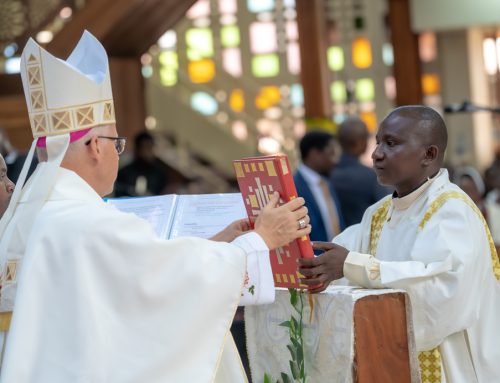
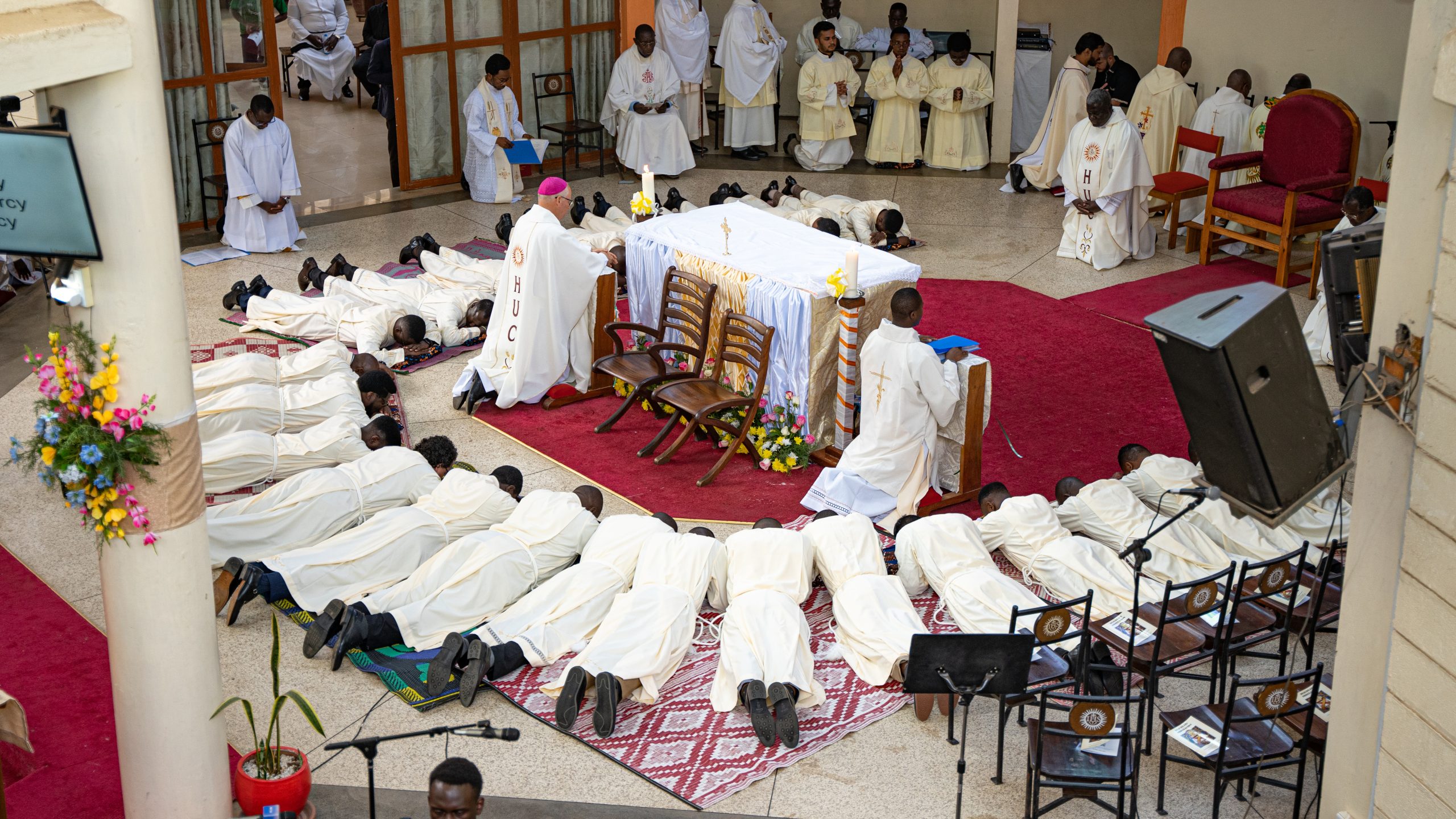
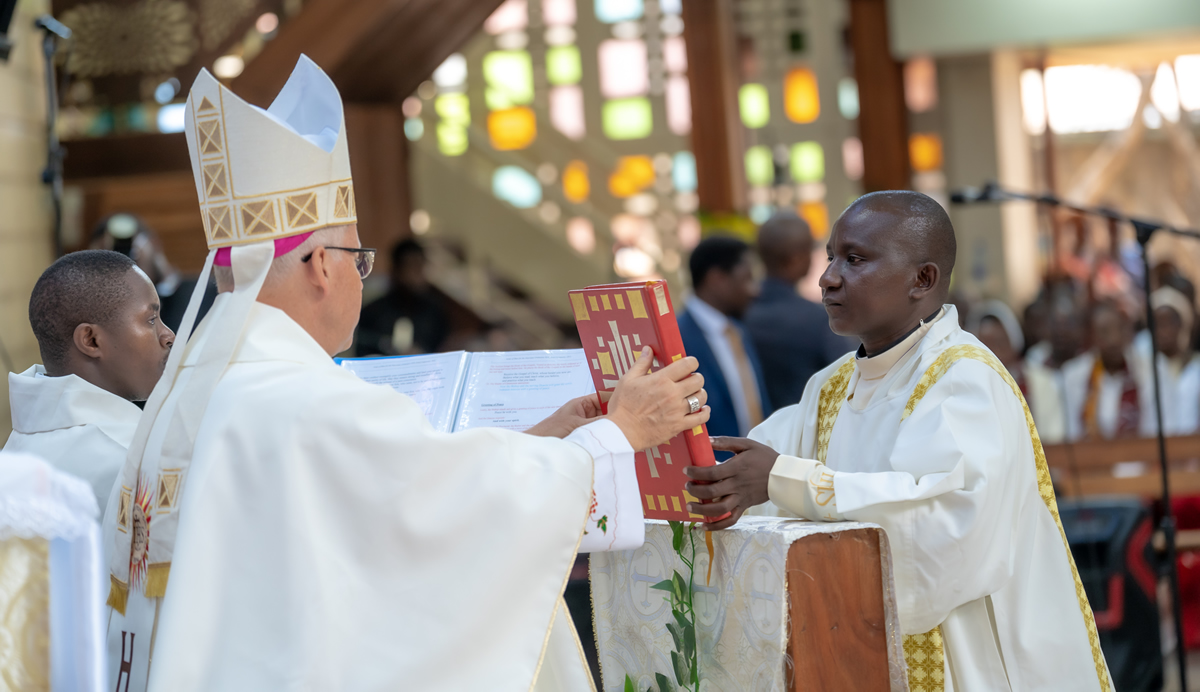
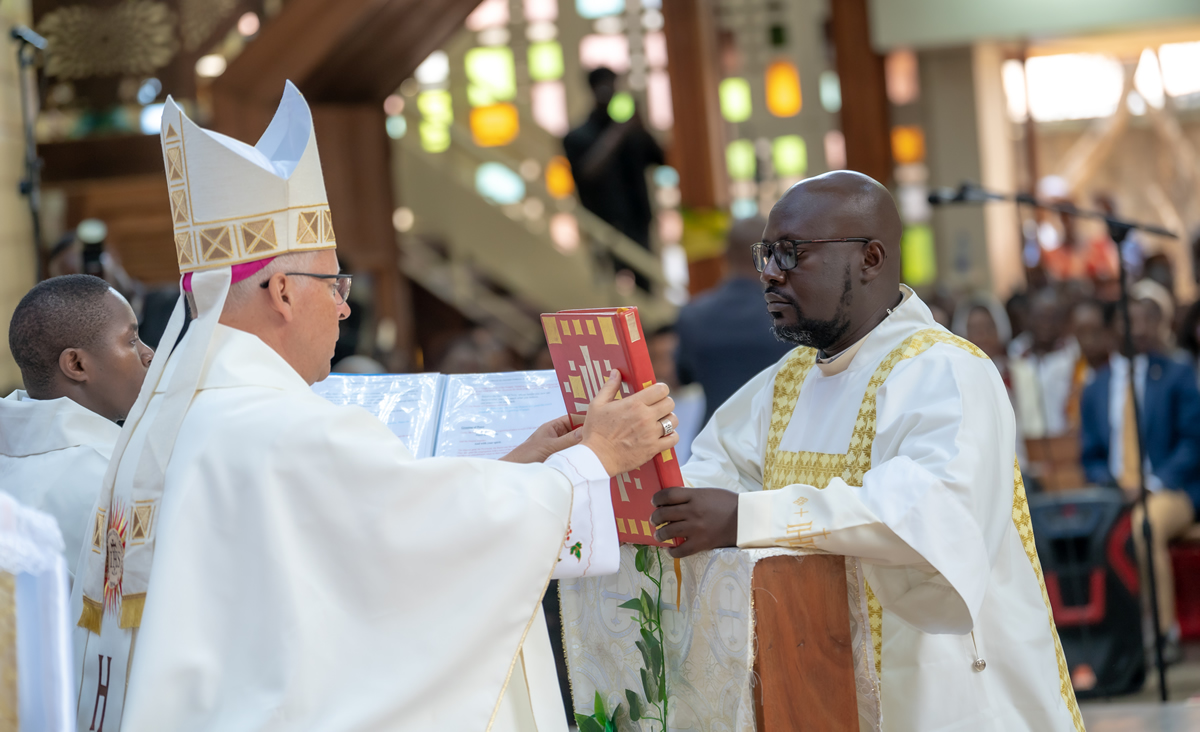
The challenges have not been absent. Formation tests one’s motivations, clarifies one’s attachments, and refines one’s intentions. There have been moments of anxiety and uncertainty, particularly as I approached ordination to the diaconate. The awareness of responsibility deepened. Deaconhood was not merely a milestone; it was a public affirmation that the Society takes me seriously, that the Church entrusts me with service at the altar and among God’s people.
The days of prayerful recollection preceding ordination were filled with quiet intensity. I felt the weight of what was unfolding, yet beneath the surface was peace. There was anxiety, yes, but not doubt. I did not doubt the One who called me. I pondered within myself that another step had been taken in God’s vineyard. Each stage of formation had deepened my qualitative growth in the Society; this was another invitation to deeper service.
My prayer then and now remains simple: to be in the hands of God. I do not know what the future holds. The vineyard is vast, and the labourers are few. I am aware of my limitations. On my own, I have no power. But I belong to the One who calls. If this journey has taught me anything, it is that vocation is less about human planning and more about divine persistence.
God has called me. How can I resist what I cannot escape? After all, I am God’s handiwork.
To those discerning, especially young people wondering about their own calling, I offer this: pay attention to what consistently returns to your heart. Notice the quiet attractions that refuse to fade. Observe the lives that inspire you not by words alone but by the integrity of their actions. God’s call often hides in the ordinary, at the parish house, at the dining table, at the sink where dishes are washed in silence.
Sometimes we spend years resisting what grace has already planted within us. Yet when we finally surrender, we discover that what we feared losing was nothing compared to what we receive.
My life, from the parish house to the Jesuit community, from the Novitiate to the diaconate, has been a gradual surrender to a love that would not let me go. And in yielding to it, I have found not confinement, but freedom.
Resisting what I cannot escape has become my path to joy.
Bonosa Kwadwo Fosu, SJ
Hekima University College